


The Transformative Power of Augmented Reality (AR) in Mobile Applications: From Fundamentals to Future Trends

Augmented Reality (AR) has revolutionized the way we interact with digital content on mobile devices, blending virtual elements seamlessly with the real world. As technological innovations continue to evolve, AR’s role in enhancing user engagement, functionality, and educational opportunities becomes increasingly evident. This article explores the core principles of AR, the significance of frameworks like ARKit, and how modern applications—such as the popular game bingos power rolls android download—serve as exemplars of these cutting-edge technologies.
Table of Contents
- Introduction to Augmented Reality (AR) and Its Impact on Mobile Experiences
- The Fundamentals of ARKit and Its Role in iOS Development
- How ARKit Transforms User Interaction with Apps like {название}
- Practical Implementation: From Concept to Deployment
- Supporting Technologies and Innovations
- Broader Educational and Commercial Implications of AR in Apps
- Examples from the Google Play Store: Modern Illustrations of AR Applications
- Future Trends and Ethical Considerations in AR App Development
- Conclusion: The Transformative Power of AR in Enhancing Mobile App Experiences
1. Introduction to Augmented Reality (AR) and Its Impact on Mobile Experiences
Augmented Reality (AR) is a technology that overlays digital information—such as images, sounds, or 3D models—onto the real-world environment through devices like smartphones and tablets. Its evolution from simple visual effects to sophisticated, interactive experiences has been driven by advancements in mobile hardware, sensors, and software frameworks. Today, AR is a cornerstone of innovative applications in gaming, education, retail, and beyond.
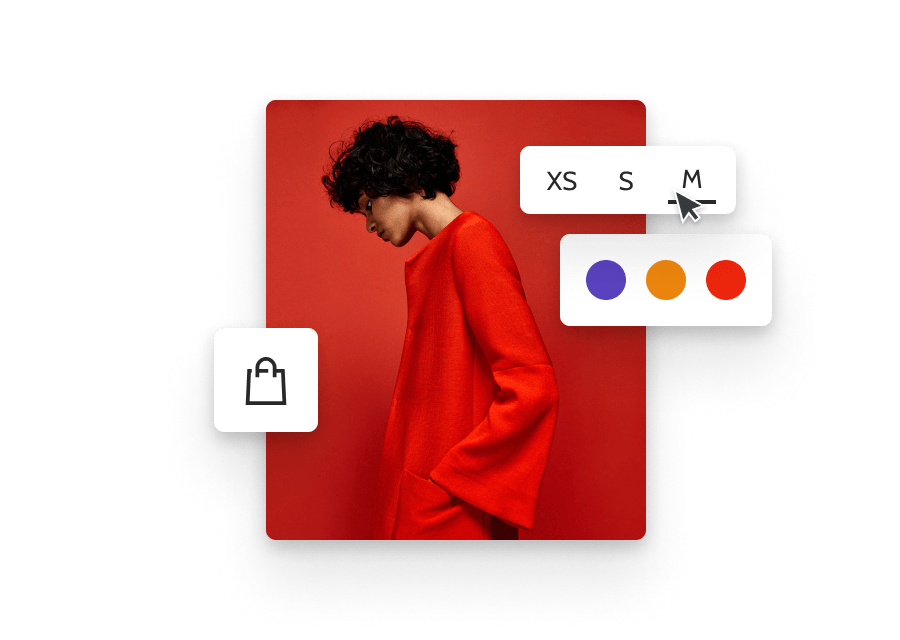
The significance of AR lies in its ability to enhance user engagement by providing immersive, context-aware experiences. For example, AR-enabled navigation apps can overlay directional cues directly onto the physical environment, making wayfinding more intuitive. Similarly, AR in retail allows customers to virtually try on clothes or see how furniture fits in their homes, bridging the gap between online and offline shopping.
This technology is reshaping app ecosystems by encouraging developers to create more interactive, personalized, and engaging content. It promotes a shift from static interfaces to dynamic experiences that respond to real-world contexts, energizing industries and transforming user expectations.
2. The Fundamentals of ARKit and Its Role in iOS Development
ARKit is Apple’s powerful framework designed to simplify the development of AR experiences on iOS devices. By providing developers with tools to create immersive, realistic overlays, ARKit leverages hardware like the A-series chips, cameras, and sensors to deliver high-quality AR content.
Key features of ARKit include:
- Motion tracking: Precisely detects device orientation and position in space.
- Environmental understanding: Recognizes flat surfaces and space dimensions for accurate placement of virtual objects.
- Scene processing: Detects features like walls and floors to create compelling overlays.
Developers often combine ARKit with Swift, Apple’s modern programming language, to streamline the creation of AR applications. Swift’s syntax and safety features facilitate rapid development and easy integration of AR functionalities.
3. How ARKit Transforms User Interaction with Apps like {название}
ARKit enables apps to deliver immersive, context-aware features that significantly enhance user engagement. For instance, in gaming applications, virtual characters or objects can interact with the real environment, creating a sense of presence and realism. This approach is exemplified by games where players can see virtual game elements integrated into their physical surroundings, making gameplay more intuitive and captivating.
Applications like {название} demonstrate augmented reality’s potential by overlaying virtual content onto physical objects, allowing users to visualize and manipulate digital elements in real time. Examples include visualization tools for interior design, where users can see how furniture fits into their space, or educational apps that bring complex concepts to life through interactive 3D models.
Compared to traditional app interfaces, AR-driven experiences are more engaging because they respond directly to the user’s environment, making interactions more natural and meaningful. This transition from static screens to dynamic, real-world integration marks a new era in mobile UX design.
4. Practical Implementation: From Concept to Deployment
Developing AR applications involves multiple stages, from initial concept design to technical implementation and testing. Key considerations include defining user scenarios, selecting suitable AR features, and ensuring device compatibility.
A typical development process using ARKit involves:
- Conceptualization: Identifying user needs and defining app functionalities.
- Design and prototyping: Creating mockups and 3D models for virtual overlays.
- Development: Coding with Swift, integrating ARKit modules, and testing AR interactions.
- Deployment: Optimizing performance, preparing App Store assets, and releasing.
Case studies, such as AR-based interior design apps or educational tools, illustrate successful implementations. For example, a furniture retailer integrating ARKit allowed users to see virtual sofas in their rooms, boosting online sales and customer satisfaction.
Challenges like device limitations and environmental variability require careful handling—often addressed through adaptive design and rigorous testing to ensure consistent user experience across devices.
5. Supporting Technologies and Innovations
AR development is complemented by other Apple technologies that enrich user experiences:
| Technology | Description |
|---|---|
| SceneKit | A high-level 3D graphics framework for rendering, animation, and physics, used alongside ARKit for richer visual effects. |
| RealityKit | A newer framework focused on photorealistic rendering, animation, and spatial audio, streamlining AR content creation. |
| App Clips | Lightweight versions of apps that can be accessed quickly via NFC or QR codes, often incorporating AR features for instant engagement. |
These technologies work synergistically to create seamless, engaging AR applications that are easier to develop and deploy.
6. Broader Educational and Commercial Implications of AR in Apps
AR facilitates experiential learning by making abstract concepts tangible. For example, medical students can explore 3D models of human anatomy, while engineering trainees can manipulate virtual machinery, enhancing understanding and retention.
Commercially, AR unlocks new opportunities such as virtual try-ons for fashion, interactive home decor visualizations, and immersive gaming experiences. These applications not only improve customer satisfaction but also open new revenue streams for businesses.
The accessibility of development tools and comprehensive documentation from Apple and other providers lowers barriers to entry, fostering innovation across sectors.
7. Examples from the Google Play Store: Modern Illustrations of AR Applications
Android platforms host numerous AR applications showcasing diverse functionalities:
- Google Lens: Recognizes objects and text, providing information or actions based on real-world items.
- AR Navigation: Apps like Google Maps integrate AR overlays for real-time directions, enhancing outdoor navigation.
- AR Games: Titles like Pokémon GO demonstrate how AR can create highly interactive gaming environments that blend virtual creatures with physical spaces.
While iOS offers frameworks like ARKit for smoother integration, cross-platform development lessons highlight the importance of adaptable design to ensure consistent experiences across devices.
8. Future Trends and Ethical Considerations in AR App Development
Emerging technologies such as artificial intelligence (AI), 3D object recognition, and user-generated content are poised to expand AR’s capabilities. AI integration can enable smarter, more personalized AR experiences, adapting content based on user behavior and preferences.
However, ethical considerations—particularly privacy and security—are crucial. AR applications often collect sensitive spatial and visual data, necessitating strict data handling policies and user consent protocols.
Looking ahead, frameworks like ARKit are expected to evolve alongside new device generations, offering higher fidelity, better environmental understanding, and more natural interactions, further blurring the line between virtual and real worlds.
9. Conclusion: The Power of AR in Shaping Mobile Experiences
“Augmented Reality is not just a technological trend but a fundamental shift in how we perceive and interact with digital content—transforming mobile applications into immersive, real-world experiences.”
As demonstrated through frameworks like ARKit and innovative apps across platforms, AR’s capacity to revolutionize user engagement and learning is profound. Developers are encouraged to leverage these tools to craft applications that are not only functional but also immersive and user-centric.
Continuous innovation, coupled with ethical considerations, will ensure that AR remains a positive force in mobile technology, enriching our digital and physical worlds alike.